![2025 in review [generated by Gemini]](https://davidtvrdon.com/wp-content/uploads/2025/12/generated-image-december-30-2025-11_47pm.jpeg?w=1024)
Quick note: If you found yourself on this email list, it’s because you subscribed to my FWIW newsletter on Substack. I’ve since deleted it and migrated here. I really didn’t like where the platform has been going. The topics will stay the same (media, journalism, podcasting, newsletters, audience revenue, etc.). Of course, feel free to unsubscribe at any time.
Personal updates: In 2025 I left the news organisation I had been working at for 10 years, stepped over into the agency world (serving news orgs), started a new tech podcast in Slovak, another one in English, did a lot of media consulting and traveling (mostly for consulting), and even got to spend a weekend with my wife without the kids (kind of a big thing). Plus I updated my personal website.
A look back
2025 has been a globally notable year in many ways. The second Trump presidency happened, along with everything around Musk. The AI race and the rise of creators marked the year. YouTube dominated, and audience habits shifted. Audio shows were pushed more and more into video. Video continued to dominate. It turns out short video is really great for business, if you are Meta or TikTok.
In a prediction I wrote for FatChilli, I noted that video is increasingly becoming the dominant format. People are using it more to consume information and news. The key question for 2026 and beyond is whether news organisations can figure out how to use it and how to leverage it to grow direct audience revenue.
It’s been a few weeks since I wrote that. I really think this will be one of the biggest questions in media. I’m talking about vertical video especially. I get the thrill of getting a viral piece. I also get the excitement of reaching a wide audience. But I will continue to question the quality of that data in terms of real & lasting results.
Three trends from 2025: AI, creators & YouTube
If you ask anyone working in media what they mostly talked about, they would mention AI. The creator economy would also be mentioned. YouTube has been up there too.
Last year, I watched and was repeatedly fascinated with everything happening around these three trends.
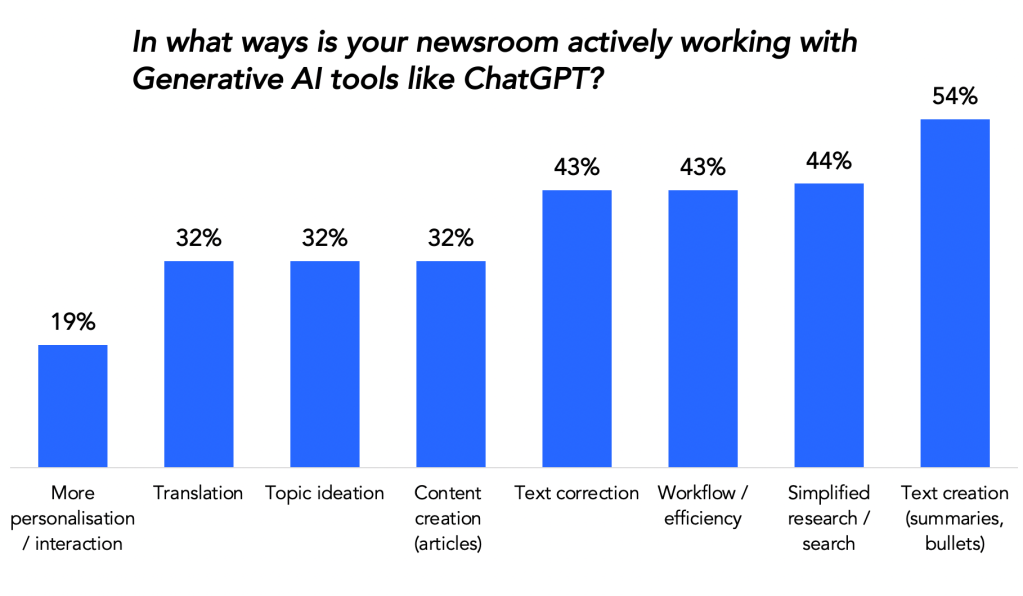
AI has undoubtedly been the top trend. However, I think many news organisation leaders might be overestimating its impact on the inner workings of news creation. This is particularly true for those without a journalism background, which is a lot of them.
And at the same time they are underestimating the shifts happening in the wider media landscape. By this, I mean hedging their bets against upcoming changes like reduced traffic from search, the increasing importance of original reporting or building a strong media brand. This is well reflected in industry research.
As I stepped from the newsroom world to the creators’ realm, I think I better understand the shift that is taking place. It has been well documented by the Reuters Institute’s Mapping news creators report, and 2025’s Digital News Report alone mentions ‘creators’ 37 times.
And it’s not just a cultural shift. It has major economic implications. According to a report from WPP Media, “In 2025, for the first time, more than half of content-driven advertising revenue will come from user-generated platforms and content rather than professionally produced content.”
As The Guardian noted, user-generated material – videos, podcasts and posts put together by individual creators – will eclipse the ad revenue attracted by professional media produced by TV networks, cinemas and news companies.
Authenticity, relatability, and direct interaction are repeatedly mentioned as the reasons why independent creators are more trusted than traditional news orgs, especially by younger audiences.
This should definitely raise alarm bells, as both audience trust and advertising money are trending towards creators.
And let’s not forget how creators outside news organisations have been the ones securing exclusive interviews with political candidates. That is yet another sign of their relevance.

When it comes to social platforms, YouTube stands out. I’m not saying it doesn’t have its problems. In the fragmented space of options nowadays, YouTube is the one that both creators and people in media have described to me as reliable and relatively stable.
If you are looking to build a new audience, YouTube might not be your first choice. It is still easier to start on TikTok or Instagram. But it is the platform you will eventually end up on anyway. Kind of inevitable. Just ask any podcaster whether they are also on YouTube.
The platform offers various built-in monetisation features and is generally considered a discovery platform. It is algorithm-driven, but still seen as relatively creator-friendly.
When it comes to streaming, in the US, YouTube took the lead in February 2025 (according to Nielsen’s Gauge report) and has not given up the number one spot since.

I also suspect that the success of podcast viewing on YouTube via smart TVs was one of the key drivers behind Netflix announcing that podcasts are coming to the platform.
That, and the fact that podcasts are cheaper to produce than scripted TV shows and come with built-in audiences. I’m really curious to see how this plays out in 2026.
Thanks for reading. Till next Friday.


One response to “2025 in review: Three trends that shaped the media landscape & personal updates”
[…] week I wrote that I’ve been watching three trends in 2025: the rise of AI and news creators and the dominance of […]
LikeLike